Sikkim at a Glance

"Visit the pristine hill station"

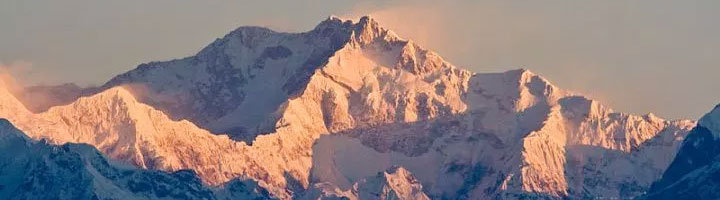
The state of Sikkim is considered to be the “brother” of the Seven Sister States in the North East. Bordering the regions of Bhutan, Tibet & Nepal as well as the state of West Bengal, it sits beneath the sky-scraping Mount Kanchenjunga (8,534 meters). Sikkim is mostly visited for great views of the Kanchenjunga mastiff. The state is dissected into 4 districts, that flank is four directions; covering a seven thousand square kilometer vast area.

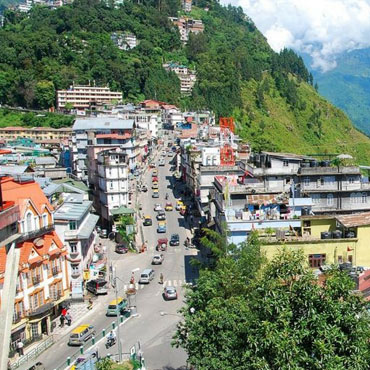
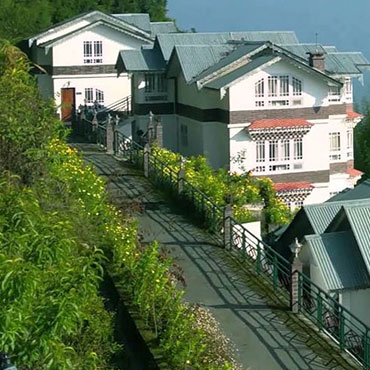
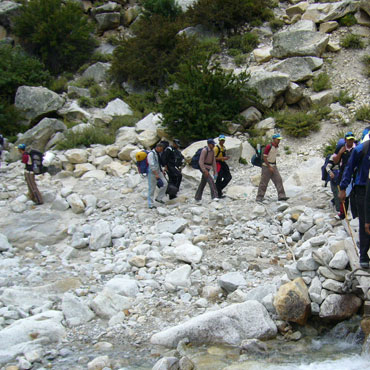
But apart from that, it also harbors some breathtaking passes, frozen lakes, and ancient monasteries. Yak rides to Tsomgo Lake, breakfast in a Gangtok café, homestays in Pelling, hiking around Yuksom, there are many ways to enjoy your sojourn to Sikkim. Often referred to be the Land of the White Orchids, Sikkim is home to more than five hundred species and orchids, rhododendrons, ferns, and flowers.
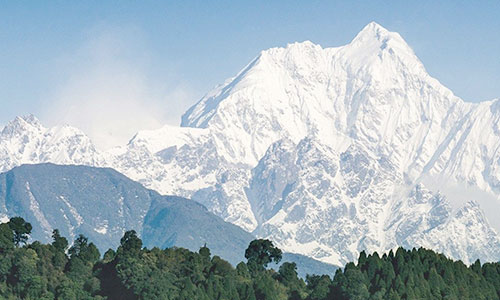
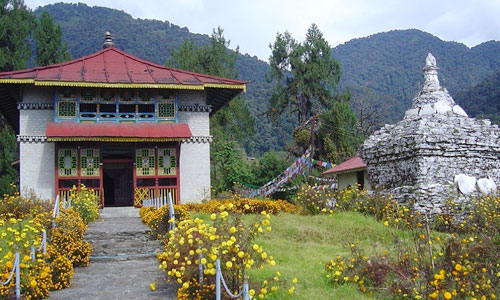
Delve in the Beauty of Sikkim – The Land of the Orchids

Talk to our travel experts for exclusive tailor made tour packages as per you choice / budget!

This relatively small region is highly diversified and is home to 28 magnificent peaks, 227 lakes and 80 glaciers, hot springs, rivulets and whitewater streams. The peaks of Sikkim invite in the growth of brooding alpines that look breathtakingly picturesque during car rides and treks. The needle tipped pine leaves get dusted with powdery snow by the winters, and the winding lanes get blanketed with colorful rhododendron petals by the arrival of spring. Every day in Sikkim is a colorfully. The lakes in here trace ancient mystic stories and are visited by millions every year who flock in to witness their beauty.
Sikkim is a bustling artisans' hub, where excellent pieces of handmade craft and collectibles are decorated in the showcases of every souvenir selling shop by the street side. Pretty Chinese fans painted with the black crane and cherry blossom motifs, Sikkim cups printed with colorful dragons, miniature prayer wheels with engraved inscriptions and Buddhist mantras, pouches of fragrant Temi tea, small golden hued effigies of Sakyamuni, and the options are endless. Do buy the thangkas, which are silk or cotton scrolls which are meticulously hand painted and make excellent wall decorations for every house.
The land of Sikkim holds immense religious significance to Sikhs, Buddhists & Hindus alike. Every year, Sikkim attracts thousands of visitors who come in to visit religious sites alone. The Gurudongmar Lake is supposed to have been visited & blessed by Guru Nanak & Guru Padmasambhava both. A part of the lake, believed to have been touched by both, never freezes even during sub-zero temperatures. The Khecheopalri Lake in West Sikkim is another wish fulfilling lake where couples go to seek blessings for fertility. The Tsomgo Lake is the site of the annual Guru Purnima, where faith healers & monks meet to predict the future of the state by studying the color of the lake water.
Sikkim has one of the most diverse and rich ecosystem in India, owing to its close proximity to the Himalayas. Yet, the governing body and locals alike understand the fragility of the beautiful ecosystem they live in. Hence, they have made comprehensive efforts to conserve and nurture their ecosystem, as well as promote Sikkim as an ideal eco-tourism hotspot. Hence, littering & spitting was termed to be a serious offense throughout the state, which heavy penance on account of the violation of the law. This made Sikkim one of the cleanest Indian destinations to be visited, with spotless roads and spit-free avenues. The government also banned the entry of locals in the casinos. The gambling establishments are made open exclusively to the tourists only.

The usage of plastic is banned throughout the state to ensure that plastic waste does not trigger the incidences of landslides as well as accumulation of non-biodegradable waste. Sikkim has been awarded the Cleanest Tourist Destination by the Ministry of Tourism. The award was handed over by the Prime Minister. All of the four districts in Sikkim come under the Top 10 Hill districts all over India.

Sikkim also made diligent efforts to convert into a completely organic economy. The plan was put forth into action from the year 2003. By the year 2018, 75,000 hectares of agricultural land was successfully converted into certified organic land as per the strict guidelines dictated by the National Programme of Organic Produce. With zero usage of chemical fertilizers and pesticides to grow fruits and vegetables, Sikkim has set a stellar example of ecological conservation.

Facts on Sikkim

Capital - Gangtok
Government - Indian State
Currency - Indian rupee (INR)
Area - 7,096 km2
Population - 610,577(2011 est.)